
How to Plan and Execute Landscape Architecture Bristol?
Discover how to plan and execute landscape architecture Bristol. Learn how expert design can transform your outdoor space into a functional and beautiful haven.
CDR Marketing
11/29/20256 min read
If you’re looking to transform your outdoor space in Bristol, landscape architecture is the way to go. Whether you’re designing a private garden, a commercial space, or a public park, landscape architecture offers a thoughtful, strategic approach that blends aesthetics with functionality.
But how exactly do you go about planning and executing landscape architecture in Bristol? In this step-by-step guide, we’ll walk you through everything you need to know. From understanding the basics of landscape architecture to getting the ball rolling on your own project. Ready to create a stunning outdoor space? Let’s dive in.
What is Landscape Architecture?
Landscape architecture is the art and science of designing outdoor spaces with an emphasis on both beauty and functionality. It goes beyond simple gardening or landscaping, considering factors like environmental sustainability, human interaction, and the surrounding architecture.
Landscape architects plan and design spaces such as gardens, parks, commercial outdoor areas, and urban landscapes. Their work involves both creative design and technical knowledge of planting, construction, and environmental science to create spaces that are visually appealing, practical, and sustainable.
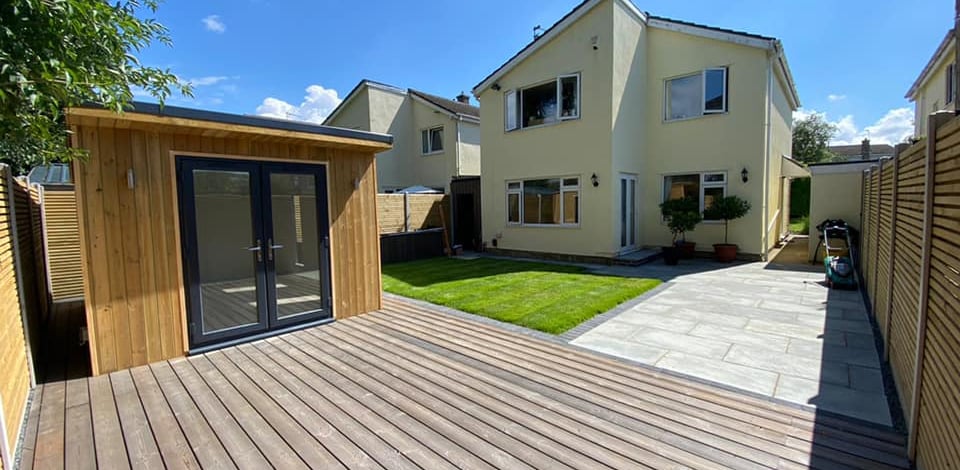
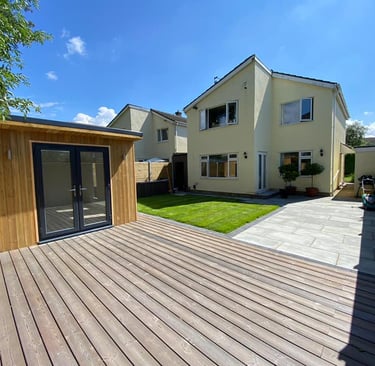
How to Plan Landscape Architecture Bristol?
Now that you know what landscape architecture is, let’s break down the process of planning and executing a project in Bristol. Whether you're working with a small urban garden, a larger private property, or a commercial development, here’s a step-by-step guide to ensure your project runs smoothly.
Step 1: Understand Your Site and Needs
The first step is to assess your site and understand the space you’re working with. Every outdoor space is different, and Bristol has a varied landscape, from urban terraces to lush suburban gardens, which demands a tailored approach. Here’s what you need to do:
Size and Shape:
Measure your space and get a feel for the layout. Are there any challenging areas, like steep slopes or poor drainage?
Climate and Soil:
Take note of the local weather conditions, soil quality, and natural elements in your area of Bristol. Are you near the coast, which might impact plant choices? Does your space get full sun or is it shaded?
Your Needs:
What do you want to achieve with your outdoor space? Do you need a low-maintenance garden, a space for entertaining, or an eco-friendly design?
By understanding these aspects, you’ll be able to make informed decisions about the design and materials that will work best for your property.
Step 2: Consult a Landscape Architect
While DIY is possible, landscape architecture is a complex process that requires professional expertise, especially if you want a cohesive, long-lasting design. A landscape architect will help you turn your vision into reality.
Initial Consultation:
The landscape architect will assess your space, listen to your ideas, and discuss your goals for the project. This is also when you’ll set a budget and timeline for the work.
Feasibility Study:
If you’re working with an existing garden or outdoor space, the architect will conduct a site survey, looking at drainage, soil, and other factors that could impact the project.
Hiring a qualified landscape architect ensures that your project meets all the necessary standards, from local regulations to environmental considerations. If you’re in Bristol, look for professionals with experience in local architecture, planning laws, and climate conditions.
Step 3: Create a Concept Design
Once you’ve selected your landscape architect, they will begin developing a concept design. This is the blueprint of your project, showcasing the layout, materials, plantings, and features. At this stage, you’ll have a rough visual idea of the project and can make adjustments to ensure it fits your needs.
Layout:
The concept will show how different elements of the design, like patios, paths, and plant beds, fit together in your space.
Materials:
Choose materials that are both functional and aesthetically pleasing. In Bristol, you’ll want to consider materials that can withstand the climate and reflect the city’s character, such as stone, brick, or timber.
Sustainability:
Many landscape architects in Bristol focus on eco-friendly solutions, such as using native plants, sustainable water management systems, and green roofs.
This phase is where creativity and practicality meet, ensuring your outdoor space is both beautiful and functional.
Step 4: Finalise the Design and Get Approvals
Once you’ve agreed on the concept, your landscape architect will refine the design and create detailed plans, including technical drawings and specifications. At this stage, the design will be finalised, and any planning permissions will need to be sought.
Planning Permission:
In Bristol, planning permission is sometimes required for significant landscape changes, especially in conservation areas or if your property is listed. The landscape architect will help guide you through the local regulations and handle the necessary paperwork.
Construction Drawings:
These detailed plans show how the project will be built, from materials and planting schemes to construction methods. They also include measurements, elevations, and other technical details.
Having detailed, professional drawings ensures that everyone involved in the project, contractors, builders, and suppliers, understand what needs to be done.
Step 5: Begin the Implementation
The next phase is bringing the design to life. This is when the construction and landscaping work begins. Your landscape architect will usually work with a team of contractors to manage the project from start to finish.
Groundwork:
This involves preparing the site by levelling the ground, dealing with drainage issues, and laying the foundation for patios, pathways, or walls.
Hard Landscaping:
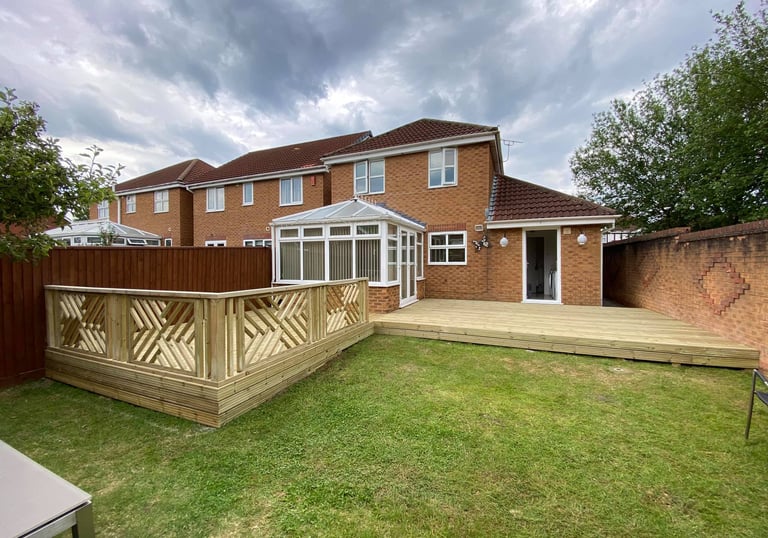
The construction of elements like decking, patios, and retaining walls will follow the design’s specifications.
Planting:
Once the hard landscaping is complete, plants, trees, and other greenery will be added to soften the space and bring your design to life.
The implementation stage is when the vision starts to take shape. Depending on the complexity of the project, this phase can take several weeks to several months.
Step 6: Maintenance and Care
Once your outdoor space is complete, it’s essential to maintain it properly to ensure it remains beautiful and functional. Your landscape architect may provide ongoing advice on how to care for your garden, plants, and hard landscaping elements.
Plant Care:
Regular maintenance like pruning, weeding, and watering, will ensure that your plants thrive.
Cleaning and Repairs:
Hard landscaping elements like patios and paths may require occasional cleaning, sealing, or repairs to keep them in good condition.
Long-Term Sustainability:
Your landscape architect can recommend sustainable practices for your garden, such as composting, rainwater harvesting, and maintaining native plant species.
A well-maintained landscape will continue to improve over time, providing lasting beauty and value to your property.
Benefits of Landscape Architecture in Bristol
Bristol’s unique blend of urban and natural environments makes it an ideal city for landscape architecture. Here are just a few of the key benefits of hiring a landscape architect in Bristol:
Increased Property Value:
A well-designed landscape can add up to 20% to the value of your property. Whether you’re planning to sell or want to enjoy your space for years to come, investing in quality design pays off.
Sustainability:
Landscape architects in Bristol are experienced in creating eco-friendly designs that help reduce your carbon footprint and promote biodiversity.
Tailored Designs:
Landscape architects take into account Bristol’s weather, architecture, and local planning requirements, ensuring your outdoor space is both practical and aesthetically fitting.
FAQs About Landscape Architecture in Bristol
1. Do I need planning permission for landscape architecture in Bristol?
Yes, depending on the project. Major changes like adding a new driveway or altering a listed building might require permission. Your landscape architect will help navigate the local regulations.
2. How much does landscape architecture cost in Bristol?
Costs vary based on project size and complexity. Simple designs can start from around £500, but large-scale or custom projects can run into the thousands. Always get a detailed quote from your landscape architect.
3. How long does it take to complete a landscape architecture project?
It depends on the scope of the project. Smaller gardens or simple designs can take a few weeks, while larger commercial or residential projects may take several months.
4. Can landscape architecture help with sustainability?
Yes, many landscape architects specialise in sustainable design. This can include using native plants, water-saving systems, and creating eco-friendly spaces that promote biodiversity.
Ready to Create Your Ideal Outdoor Space?
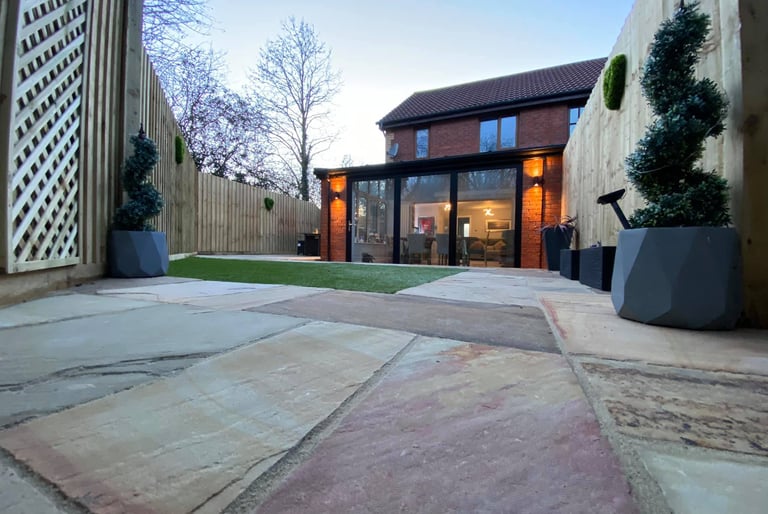
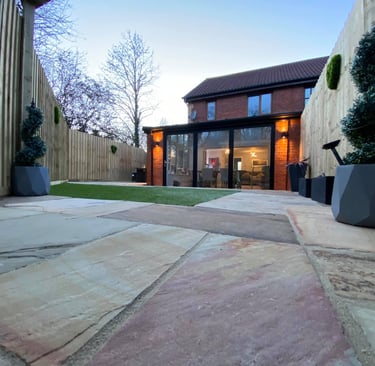
If you’re ready to start planning your landscape architecture project in Bristol, we’re here to help. At Scott Brothers, we specialise in designing outdoor spaces that are both functional and beautiful, ensuring they fit perfectly with your needs and the local environment.
Contact us today for a consultation and start transforming your outdoor space into a place you’ll love.
Get in touch
Write to us
229 North Road, Yate, BS37 7LG
Contact Us
07765 190 683
info@scottbrothersuk.co.uk
Powered by CDR Marketing
Find & Follow us on
Scott Brothers UK LTD Registered office & principle place of business - 229 North Road, Yate, BS37 7LG
Registered in England and Wales, company registration number 12864986, A list of company directors is available at our registered office - VAT registration number 342 193 123
Powered by CDR Marketing