
How Yates Landscaping Can Upgrade Your Outdoor Space
A fresh, homeowner-friendly look at Yates landscaping, what it includes, how it transforms tired gardens, and the simple steps to create an outdoor space that looks great and works year-round.
12/8/20254 min read
Landscaping is a solution to achieving a garden that is appealing, functional as well as being stress free during the summer months. But landscaping is a broad term. It may include laying patios, lawns, and raised beds, or a complete redesign or repair of neglected areas.
This guide will explain all that a homeowner in Yate should know about landscaping. It discusses popular upgrades, expenses, timeframes, and helpful hints to maintain a garden functional and enjoyable.
What Is Landscaping?
Landscaping enhances the appearance and functionality of a garden. Some projects are small, like adding a new path or turf, while others may involve a full redesign.
In Yate, homeowners often look for solutions that make their gardens easier to maintain, more enjoyable for outdoor activities, and more visually appealing.

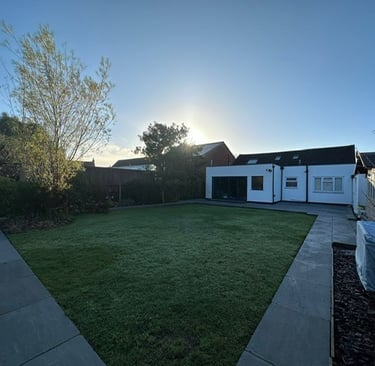
Hard Landscaping
Hard landscaping refers to the solid, built elements of a garden. Common features include:
Patios
Paths and walkways
Decking areas
Fences
Sleeper beds and retaining walls
Garden structures such as pergolas, arches, and seating areas
These features provide structure and define the usable space in a garden.
Soft Landscaping
Soft landscaping covers the living elements of a garden, including:
Turfing and lawn installation
Planting schemes for flowers, shrubs, or small trees
Raised beds
Soil improvement and conditioning
Mulching and ground cover
A well-balanced garden usually combines both hard and soft landscaping elements for a cohesive and functional design.
Signs Your Garden May Need Landscaping
You don’t have to wait until your garden looks like a jungle to consider Yates landscaping. Common signs include:
Patios or paths that are sinking, cracked, or uneven
Poor drainage and pooling water after rainfall
Uneven, patchy, or overgrown lawns
Garden beds that lack structure or appear neglected
Fence panels leaning or damaged
Outdated layouts that waste space or reduce usability
Hard-to-maintain features that take more time than they’re worth
Recognising these signs early can prevent bigger issues and reduce future maintenance costs.
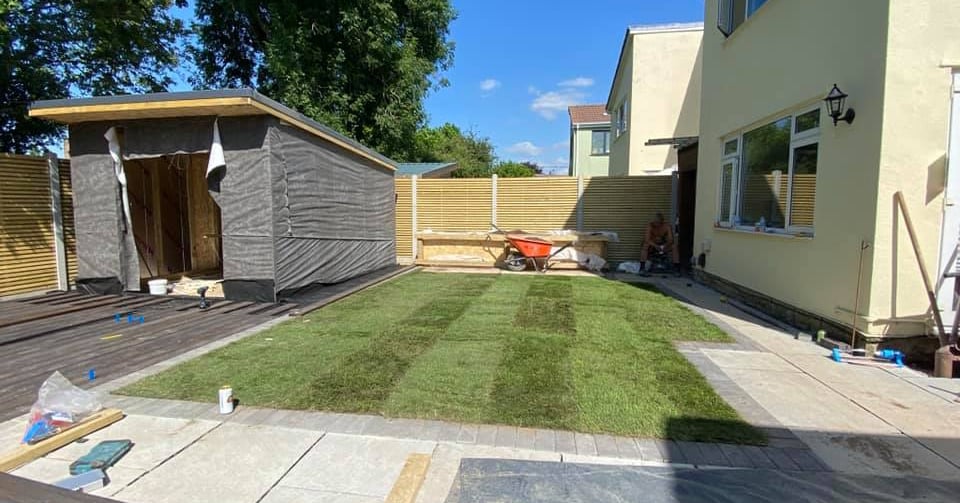
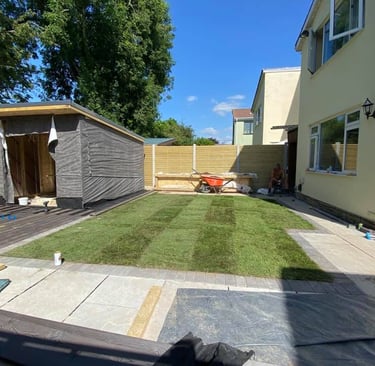
Why Landscaping Is Useful in Yate
Yate features a mix of older homes with large gardens and newer estates with smaller, more compact plots. Both types of property have landscaping challenges:
Older Yate Homes
Long, narrow gardens
Ageing fences and walls
Tired paving or paths
Settled ground or drainage issues
Beds that have lost shape or structure
These gardens often benefit from a redesign or a full refresh to improve functionality.
New-Build Estates (e.g., Lyde Green, Brimsham Park)
Shallow topsoil
Sloped plots that affect drainage
Standard developer landscaping that may not suit long-term use
Basic lawns or patios requiring upgrades
A thoughtful landscaping plan can address these issues and create a more usable and visually appealing outdoor space.
Popular Landscaping Upgrades in Yate
New Patios
Sandstone, porcelain, or concrete slabs are common choices. Patios provide a central outdoor living area and can dramatically improve the look and functionality of a garden.Modern Lawns
Options include fresh turf or artificial grass, which can give an instant visual boost and reduce ongoing maintenance.Raised Sleeper Beds
These provide structure, make planting easier, and can suit contemporary garden styles.Fencing and Screening
Enhances privacy, improves safety, and helps define garden zones.Low-Maintenance Layouts
Reduces the time and effort required for weeding, mowing, and general upkeep.Paths and Zoning
Divides the garden into functional areas such as outdoor living, play zones, storage, and planting sections.Full Garden Redesign
Suitable for gardens that need a complete reset or modernisation.
Typical Costs for Landscaping in Yate
Costs vary depending on the size of the garden, chosen materials, accessibility, and complexity. Typical ranges for Yate homeowners are:
Patios: £80–£140 per m²
Turfing: £10–£25 per m²
Artificial grass: £55–£95 per m²
Sleeper beds: £300–£1,200 depending on size
Fencing: £80–£140 per panel
Full garden projects: £3,000–£20,000+
These are rough guides for budgeting. Obtaining multiple quotes from local landscapers can help find the best solution.
Typical Steps in a Landscaping Project
Initial Survey
Assess the garden, identify challenges, and clarify objectives.Planning and Design
Decide on the layout, materials, and plant selection.Quoting and Budgeting
Establish a clear plan with realistic costs for labour and materials.Preparation
Clear the site, remove old materials, and prepare soil or foundations.Construction and Installation
Build patios, install turf, plant beds, and construct any structural elements.Finishing Touches
Edging, mulching, cleaning, and ensuring all areas are functional.Maintenance Advice
Guidance on seasonal care to ensure longevity of plants and hard landscaping.
How Long Landscaping Projects Take in Yate
Timeframes depend on project size and complexity:
Small patio: 2–4 days
Fencing installation: 1–2 days
Lawn or turfing: 1 day
Medium garden overhaul: 1–2 weeks
Full redesign: 2–4 weeks
Weather, material delivery, and site conditions can affect the schedule.
Do You Need Planning Permission?
Most landscaping work in Yate does not require planning permission. Exceptions include:
Large structures or garden buildings
High walls or raised platforms
Major changes to boundaries
If unsure, it is wise to check with South Gloucestershire Council or a local planning consultant before starting.
Common Landscaping Mistakes to Avoid
Choosing patio materials unsuited to shaded areas
Laying turf on poorly prepared soil
Ignoring drainage issues
Installing beds too close to fences
Using cheap materials that wear quickly
Placing patios in areas with little sunlight
Avoiding these mistakes saves money and prevents frustration later.
Local Examples of Landscaping Work
Patchy Lawn Renewal
Replacing old turf with fresh soil and new grass to improve lawn health.
Patio Upgrade
Replacing cracked concrete slabs with new materials and adding drainage solutions.
Low-Maintenance Garden Build
Incorporating artificial grass, raised beds, and weed-proof membranes for busy households.
FAQs
Do landscaping projects include both hard and soft elements?
Yes, combining structural and planting features creates a cohesive garden.
How long does landscaping last?
Most features last 10–20 years with proper care.
Can landscapers help with garden design?
Yes, they can plan layouts that are both functional and visually appealing.
Is waste removal included?
Typically, debris and old materials are cleared from the site.
Can low-maintenance gardens be created?
Absolutely, with careful design and material selection.
Do landscapers work on sloped gardens?
Yes, terraces, raised beds, and leveling solutions are common.
Are small jobs worth doing?
Yes, even small updates like a new patio section or planting bed can dramatically improve a garden.
Landscaping transforms gardens into functional, attractive spaces that are easier to maintain and more enjoyable to use. By understanding the options, costs, and common pitfalls, homeowners in Yate can make informed decisions about improving their outdoor space.
Even modest upgrades can make a significant difference, while comprehensive landscaping projects can completely refresh a garden, turning it into a place for relaxation, play, and entertaining.
Get in touch
Write to us
229 North Road, Yate, BS37 7LG
Contact Us
07765 190 683
info@scottbrothersuk.co.uk
Powered by CDR Marketing
Find & Follow us on
Scott Brothers UK LTD Registered office & principle place of business - 229 North Road, Yate, BS37 7LG
Registered in England and Wales, company registration number 12864986, A list of company directors is available at our registered office - VAT registration number 342 193 123